



🛠️ From manual inspection to autonomous diagnosis.
Until recently, inspections of energy installations relied on slow, labor intensive, and often inaccurate methods:
- 🛠️ Manual inspections.
- 🔭 Visual inspections with binoculars.
- 📷 Measurements with stationary cameras.
- 🚒 Use of lifting equipment.
In conditions of high complexity and remoteness of many sites - from transformer substations to wind turbines - this meant risks to personnel, inefficiency, and high operating costs.
With the integration of drones, these limitations disappear. With just one flight, the drone can fly over kilometers of energy infrastructure, collecting high-resolution RGB and thermographic images that are analyzed via software. Thus, technical teams have a digital close-up view of every part of the system - in real time and with full traceability over time.
⚡ Drones and the power grid.
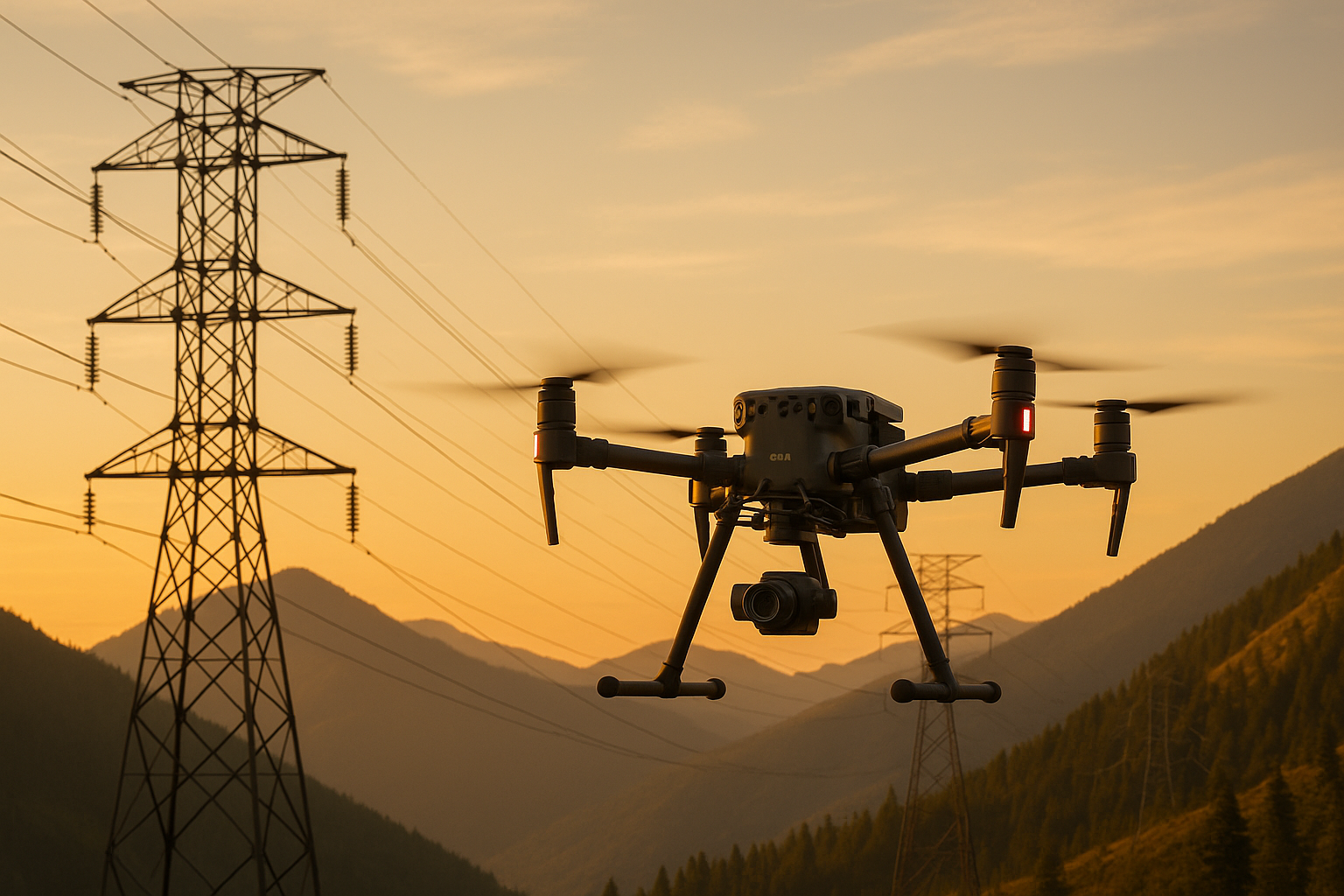
One of the most important applications of drones in the energy sector is in the maintenance of power lines and transformer substations. These facilities often pass through mountainous terrain, forests, or remote villages, which makes them difficult to access with standard methods. Drones not only facilitate access but also allow for high precision analysis of the condition of cables, insulators, and pylons. Through a thermal imaging camera, overheating in contact points that could lead to failures is easily detected, and corrosion, defects in connections, and dangerous accumulations of vegetation around the grid are also spotted. This allows for preventative measures to be taken that save time and resources and prevent power outages.
Vayo Drones offers professional drone inspections of power lines, using high-precision cameras and specialized software for thermographic and visual analysis. Our services help with timely diagnostics, optimization of maintenance, and significant reduction of repair costs, while ensuring the safety and reliability of the network.
🌪️ Wind, water, and geothermal energy.
For wind turbines, drones provide the opportunity for detailed and contactless inspection of the blades and the supporting structure, which are usually located at hard to reach heights. This eliminates the need to use expensive rope access or lifting equipment and removes the risk to human personnel. Cracks, edge erosion, mechanical detachments, signs of impact or corrosion are detected - defects that, if left unnoticed, can lead to a significant drop in efficiency, increased noise, or even catastrophic failure.
To prevent unwanted damages, we at Vayo Drones offer periodic inspections. Our clients receive a structured technical report with clearly marked defects, recommendations for subsequent actions, and the ability to track the condition over time. The result is: lower maintenance costs, reduced downtime of facilities, and extended operational life of the turbines.
👉 Learn more about the service here.
In geothermal and hydroelectric power plants, drones allow for the inspection of shafts, channels, concrete walls, and mechanisms that are subjected to high pressures and humidity. Timely detection of leaks, erosion, or structural deformations is key to the safety and continued operation of these systems. 🌋💧
☀️ What about solar parks?
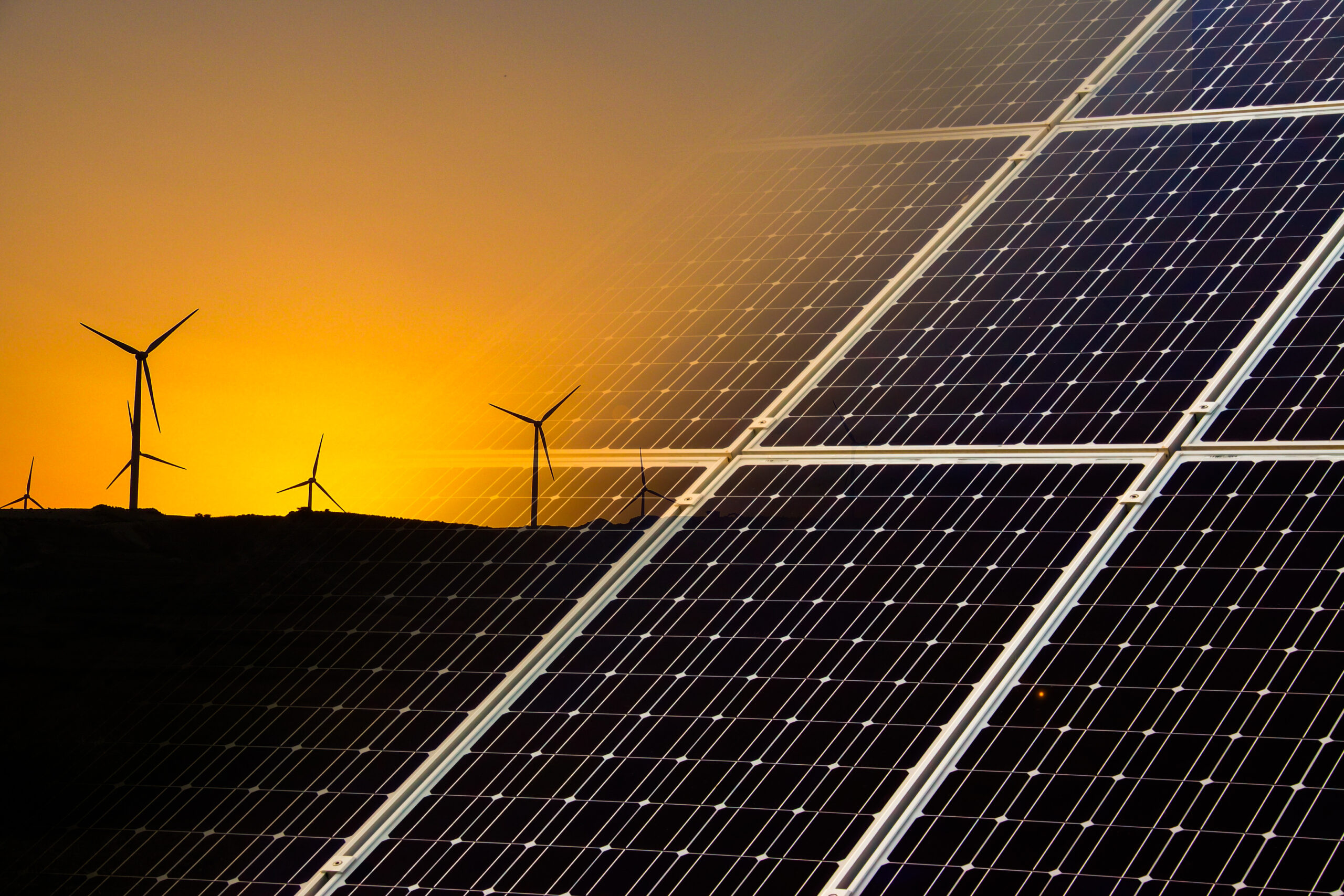
Solar energy is undeniably at the core of the global energy transition and encompasses some of the largest and fastest-growing installations. Drones play a key role here too, allowing for detailed thermographic diagnostics, defect detection, and efficiency monitoring - without interrupting production and without the need for physical presence on the panels.
If you wish to learn exactly how this happens - with examples, types of defects, and recommendations for inspection frequency, read our special article here:
👉 How drones are revolutionizing solar park maintenance?
🤖 Technological convergence: AI, IoT, and cloud services.
Drones today are not just flying cameras. They are part of an entire digital ecosystem. With built in algorithms for automatic anomaly recognition, GPS navigation with centimeter accuracy, and the capability for integration with IoT sensors, they are becoming an indispensable tool for smart infrastructure management.
The data they collect is processed through cloud platforms and archived for future analysis. This means that every inspection is not just a snapshot, but part of a dynamic, self improving digital logbook that allows for forecasting and optimization of maintenance.
🧩 Regulations, security, and future trends.
The use of drones in the energy sector does not happen in a legal vacuum. The European Union and international organizations like EASA and ICAO are already offering frameworks for regulation, pilot certification, and risk classification. This ensures that drone operations are not only effective but also legally compliant, traceable, and secure.
In the future, we can expect the mass introduction of autonomous drone stations, which will take off, charge, and send reports independently, as well as the use of blockchain technologies to ensure the immutability and authenticity of the data.
Conclusion: Smart maintenance for smart energy
In a world where energy infrastructure is becoming increasingly complex and interconnected, drones represent a natural extension of the pursuit of automation, security, and sustainability. Vayo Drones provides high-tech, standard-compliant solutions that help energy companies to be one step ahead – from prevention to reaction, from visualization to action.
📧 If you would like to discuss how drones can optimize the maintenance of your energy infrastructure – contact us today.