




Amateur drones - created for fun, not for precision
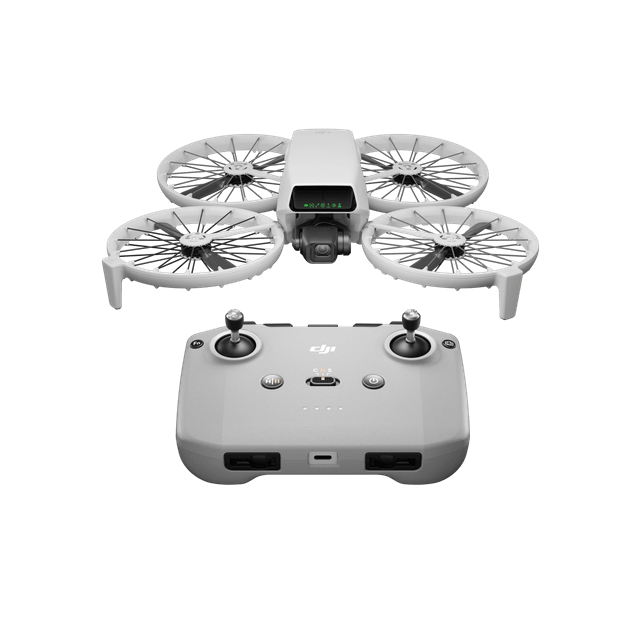
Amateur drones are widely accessible, easy to control, and most often used for fun, casual landscape filming, or for training. They typically offer basic functions, limited range, and a modest camera. While great for personal use, these devices are not built for professional purposes - neither in terms of hardware, stability, nor the quality of the collected data.
The biggest risk here is precisely in using them in an inappropriate context - for example, for technical inspection of roofs, sites, or industrial facilities. The result is often unclear footage, lack of accuracy, or even damage to the drone itself.
Photographic drones - excellent visual quality, limited capabilities for the industry
Photographic drones are positioned between amateur and industrial models. They offer significantly better cameras (including 4K video, stabilization, RAW photos), good flight control, intelligent modes, and reliable navigation. They are widely used by photographers, videographers, real estate agencies, and for event filming.
However, they remain limited when it comes to industrial applications - such as thermography, 3D modeling, RTK positioning, or site inspection in harsh conditions. Their software integration is also more limited - lacking compatibility with professional photogrammetry, analysis, or BIM systems platforms.
Industrial drones - professional equipment for critical tasks
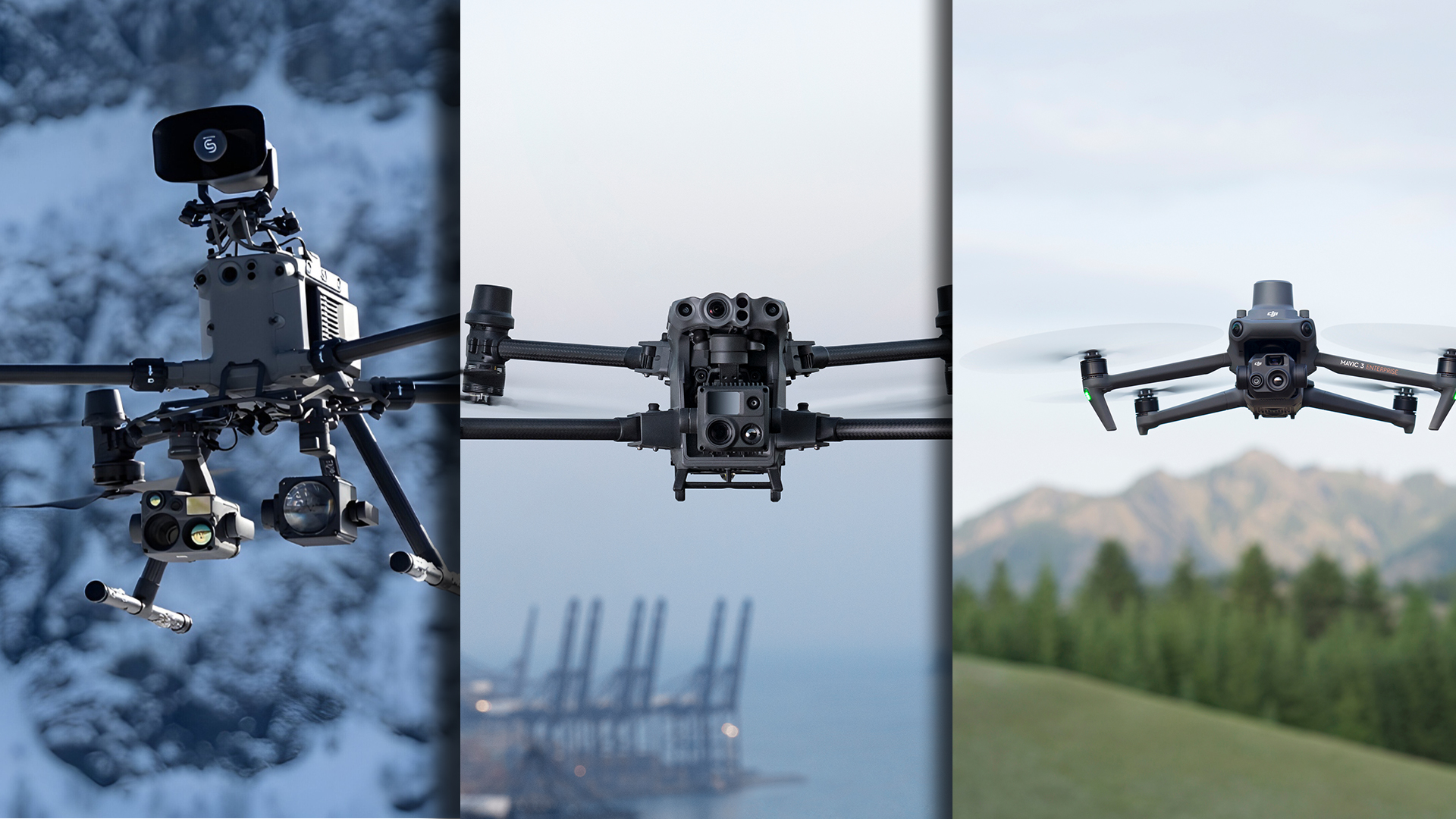
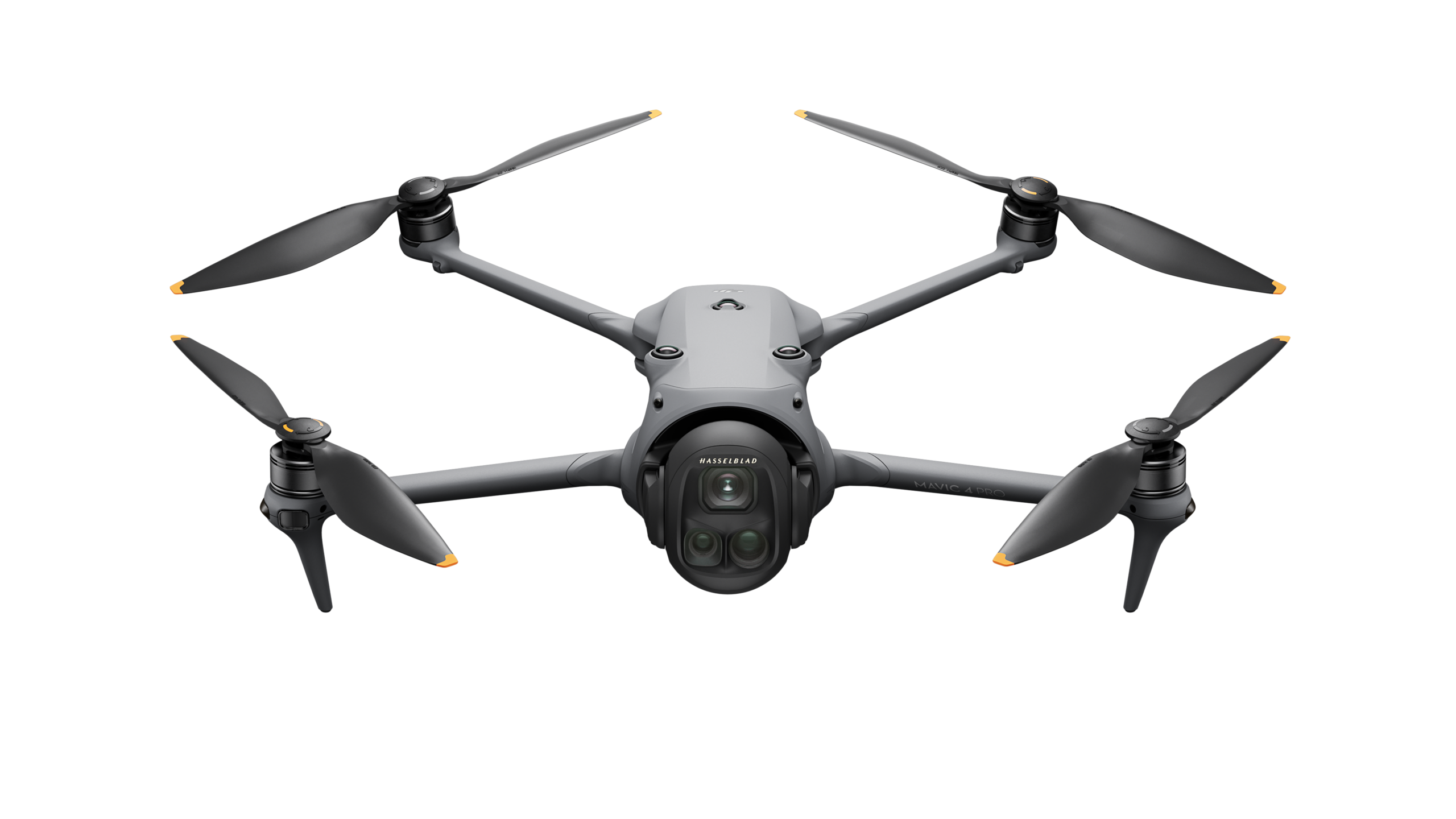
Industrial drones are designed to perform highly complex tasks in real, often unfavorable conditions - from construction sites to power lines, solar parks, and critical infrastructure. They provide a combination of reliability, precision, and adaptability that is lacking in consumer and photographic drones.
Their most significant advantages include the following:
- In fixed configurations, drones come with built-in high-quality sensors (e.g., RGB camera + thermal camera + laser rangefinder), but allow for the addition of several extra functionalities.
- In modular systems, the user selects the necessary components for each mission - camera, sensor, winch, loudspeaker, etc., and they are mounted and replaced according to needs.
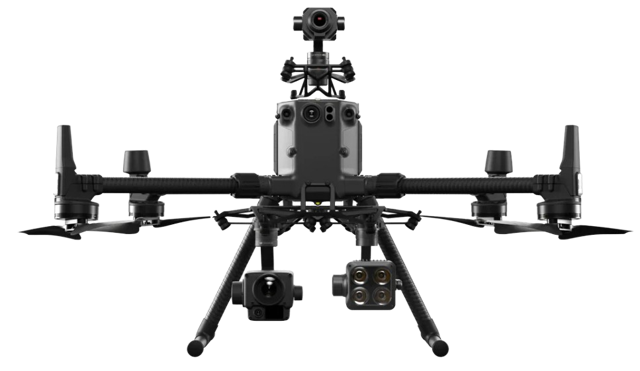
Fixed and modular equipment - flexibility according to the mission
Industrial drones can be equipped with fixed integrated sensors + additional modules, or they can be entirely modular platforms, allowing free configuration according to the specific task.
- Durability and stability - resistance to wind, rain, dust, and high/low temperatures.
- Extended flight and range - significantly larger battery capacity and long-distance control.
- Precise positioning - via RTK GNSS systems for geolocation with centimeter accuracy.
- Automation and intelligent routes - pre-programmed missions, automatic obstacle avoidance, intelligent emergency return, as well as elements of artificial intelligence for real-time recognition and adaptation.
This flexibility turns industrial drones into a multifunctional tool for observation, analysis, mapping, delivery, and ensuring safety. They are not simply created to fly and film, but to collect high accuracy data with centimeter precision - data through which objects are analyzed, defects are discovered, volumes are calculated, and real value is provided to the business.
Where is the difference? Software, support, and real value
Besides the equipment itself, there are also serious differences in the software. Industrial drones work with specialized platforms that allow for the following:
- Automated routes with RTK correction.
- Cloud data storage.
- Generation of orthophoto maps and 3D models.
- Integration with GIS and BIM systems.
Maintenance should also not be underestimated - industrial systems are subject to mandatory periodic technical inspection, which is software-programmed and automatically activated after a certain number of flight hours. Upon reaching this threshold, the drone cannot be used until the technical inspection is passed. The procedure itself includes full calibration, diagnostics, and eventual replacement of worn components. This can only be carried out at authorized service centers, and the service is accompanied by high costs. Although expensive, this preventive maintenance guarantees both the technical integrity of the unmanned aerial vehicle and flight safety - especially when operating over urbanized areas, industrial sites, and critical infrastructure.
Why do business clients often underestimate the difference?
Many companies believe that drones are just a "flying camera" and compare the prices of services without realizing what actually stands behind them, but:
- Filming with a photographic drone costing a few thousand cannot be compared to an inspection with an industrial drone with accompanying equipment costing tens of thousands.
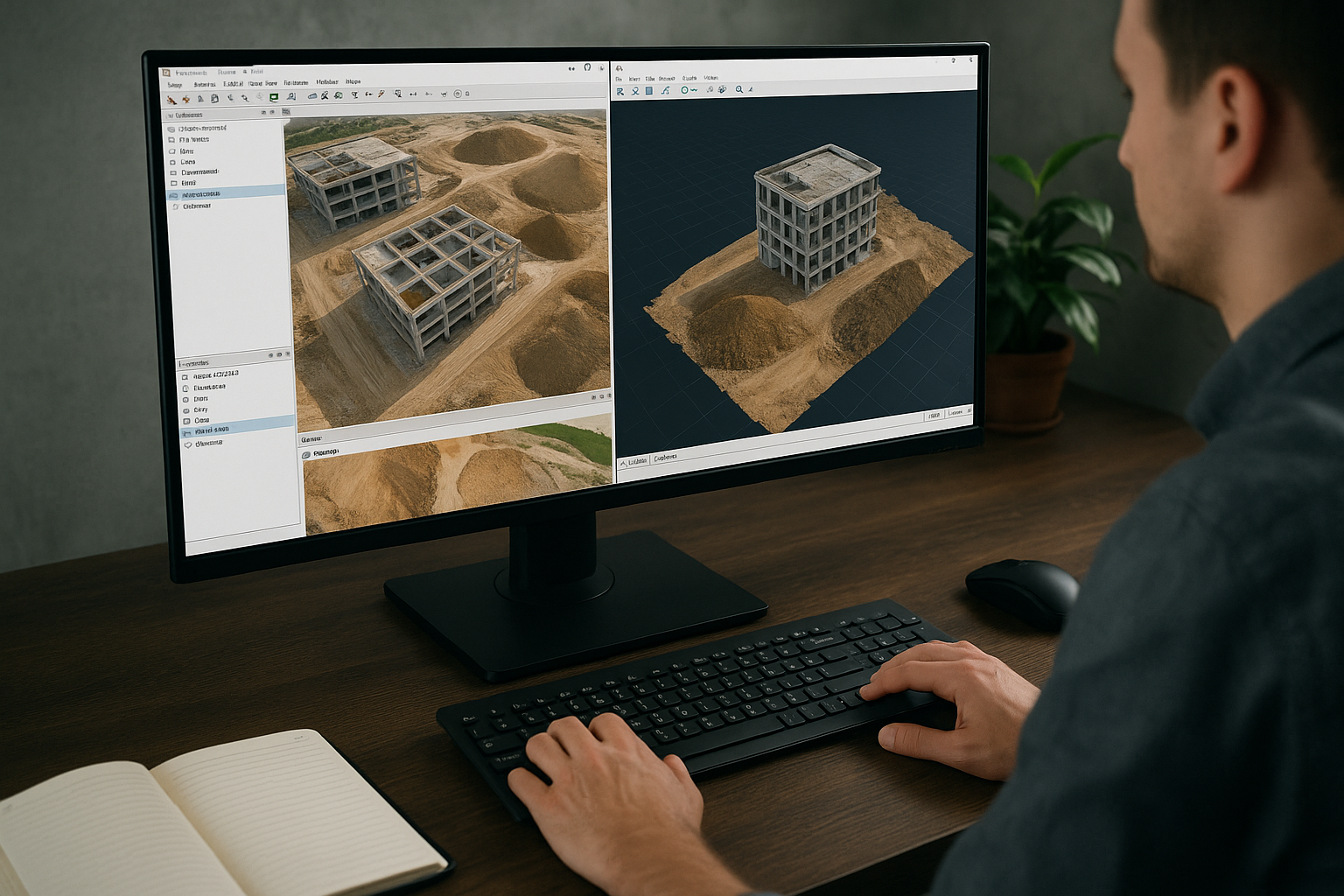
- Processing footage in professional software is not the same as manually reviewing videos.
- The professional service includes reports, analyses, models, insurance, and a certified pilot, not just photos and videos.
That is why the price for industrial drone services is higher, but it includes value, security, and results - not just a flight.
The choice is important - and we at Vayo Drones know what we are doing.
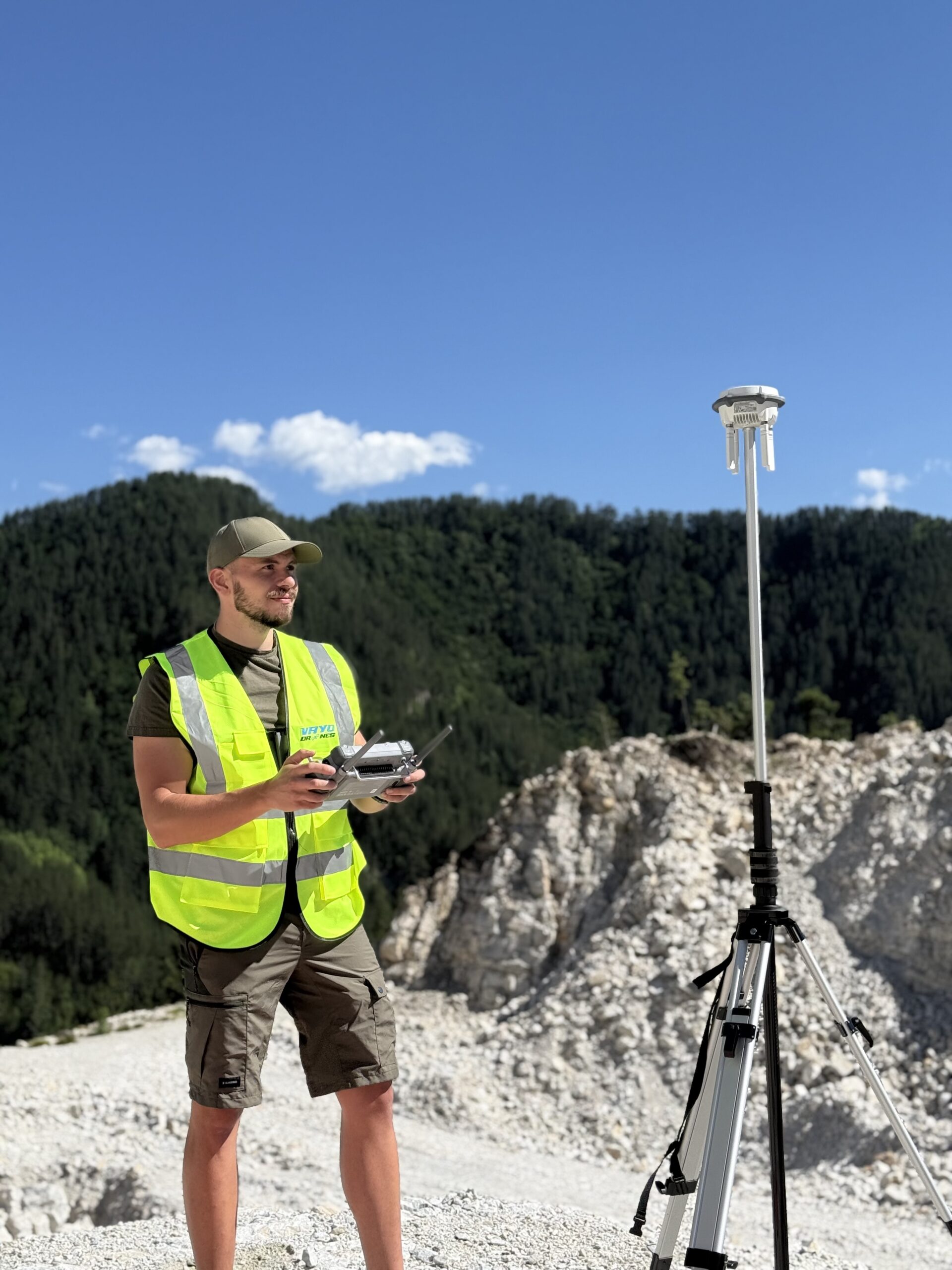
We do not just fly - we help your business make informed decisions. We work with top of the line industrial drones equipped with RTK systems, thermal cameras, and photogrammetry software, suitable for the following:
- Construction and infrastructure inspections.
- Thermographic surveys.
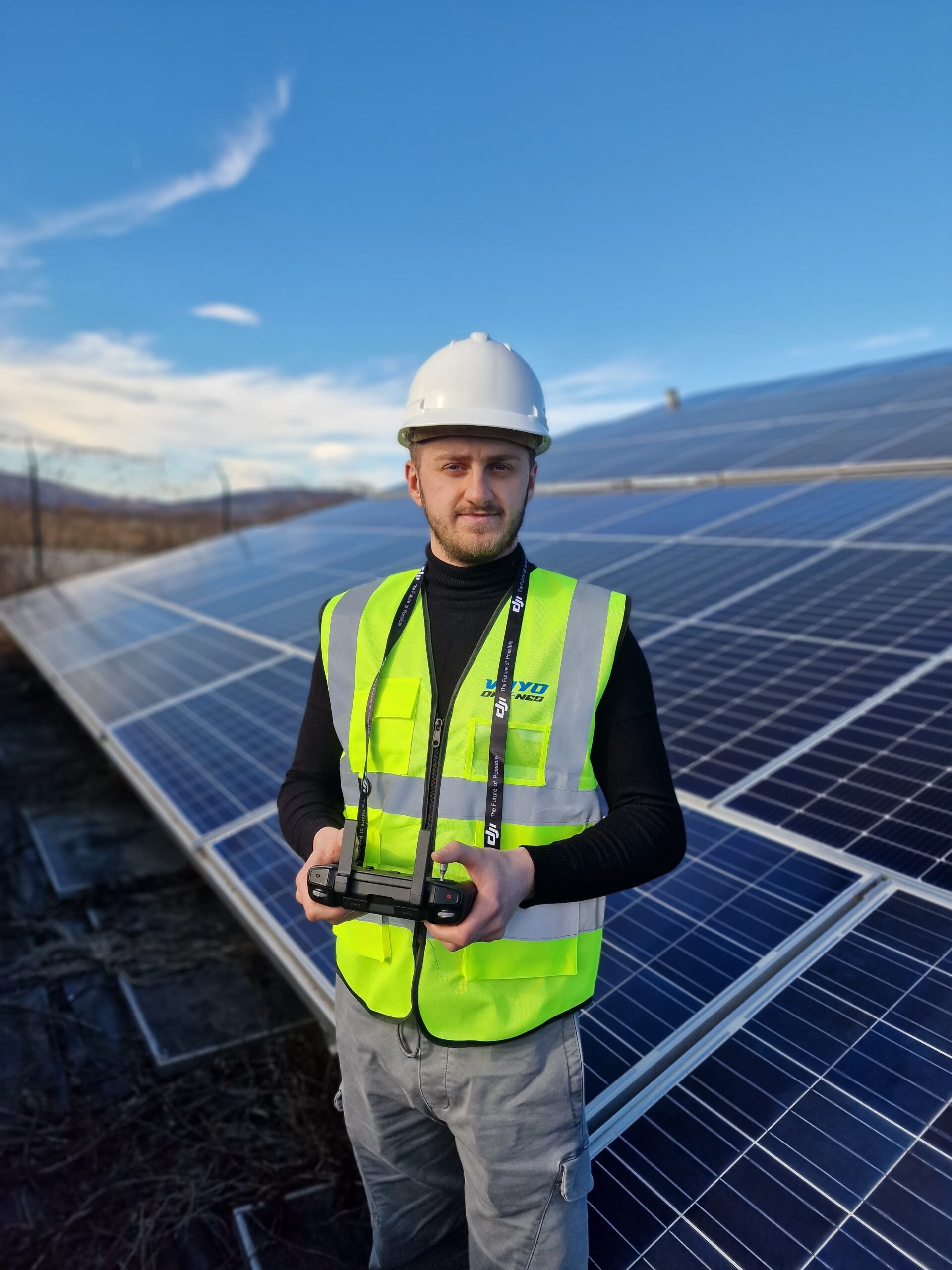
- Inspection of solar parks and roofs.
- Mapping and 3D modeling
If you are looking for quality, accuracy, and real benefit, contact the Vayo Drones team today and let us show you what industrial drones can do.