



What are industrial drones and what are their main applications?
Inspection and maintenance of infrastructure
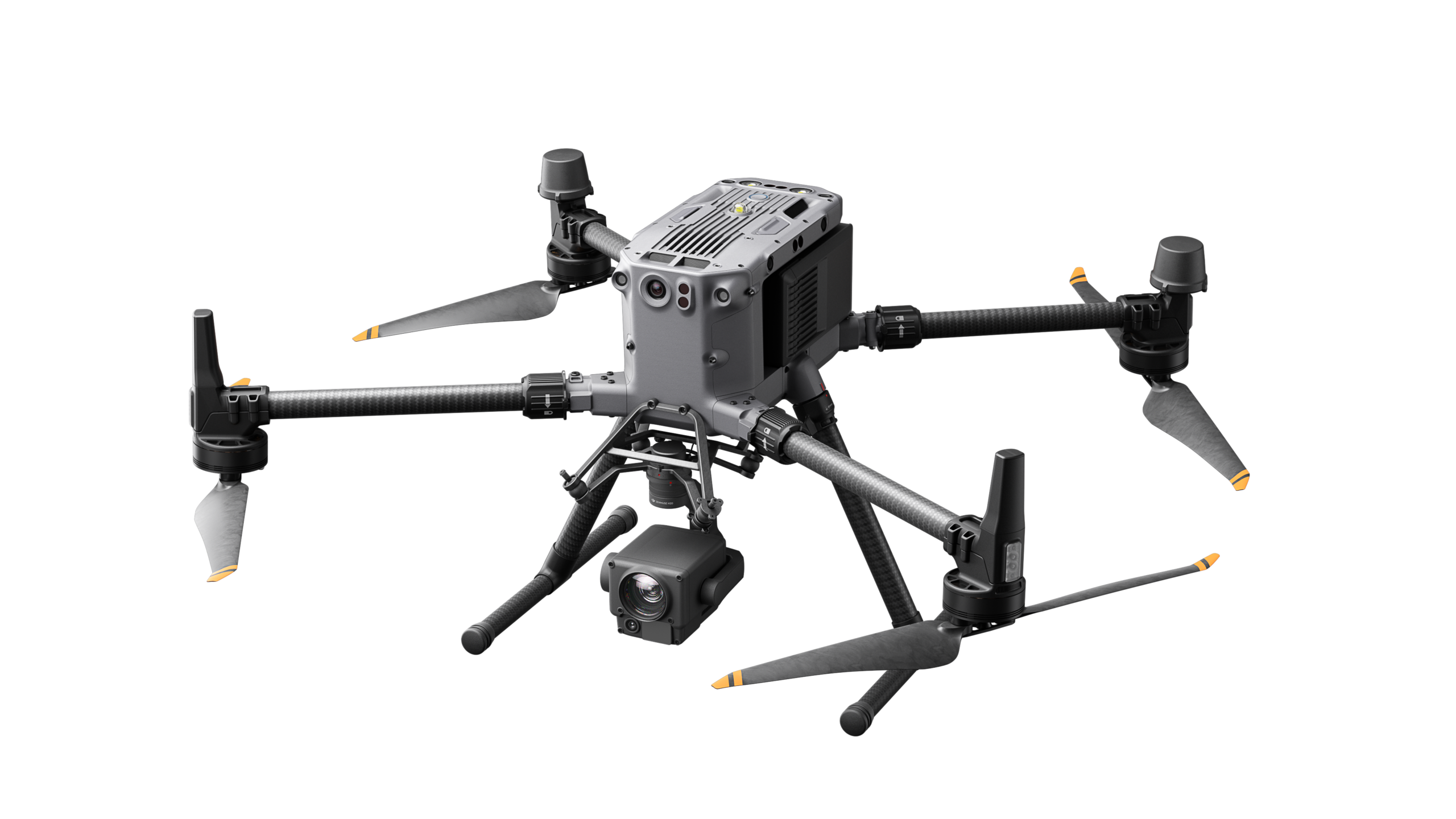
Industrial drones are unmanned aerial vehicles specifically designed for professional tasks such as inspections, monitoring, mapping, and delivery. They are equipped with various types of sensors - high resolution cameras, thermal imaging cameras, lidar scanners, multispectral, and other data collection systems.
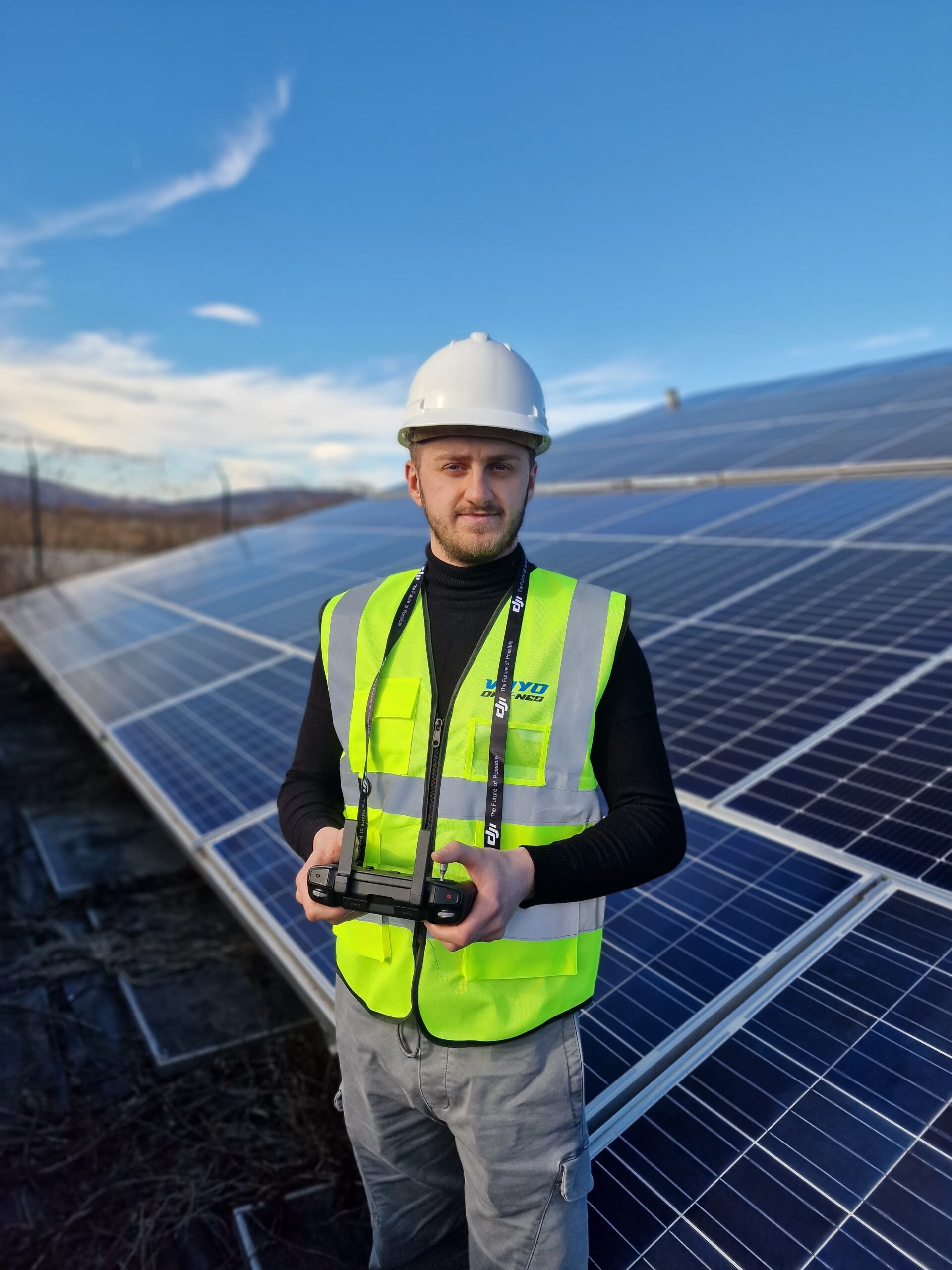
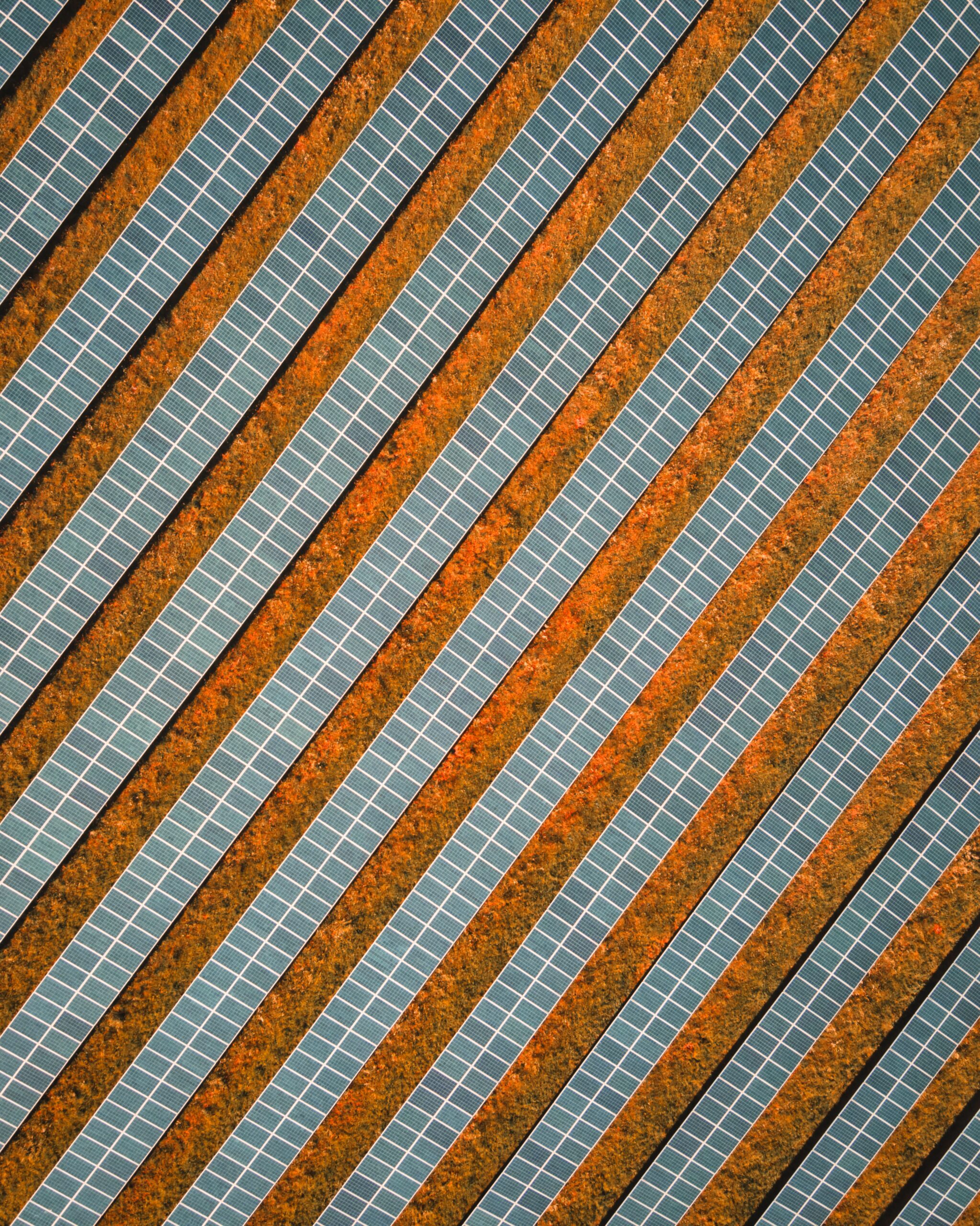
Modern infrastructure requires constant control and timely maintenance to ensure the safety, efficiency, and longevity of the facilities. drones have established themselves as an extremely effective tool in this area. They are used for inspection and monitoring of:
- Solar plants
- Power lines and transformer substations
- Wind turbines
- Oil and gas pipelines
- Railway lines and bridges
- Viaducts, tunnels, dams, and other strategic facilities
With the help of high-tech cameras, drones perform precise and detailed inspections that allow for:
- Detection of structural damage, corrosion, wear, and leaks
- Detection of hot spots, problematic electrical connections, or mechanical loads
- Condition assessment without the need for physical access or operational shutdown
- Documentation of results through photo and video materials for technical reports
These capabilities reduce risk to personnel, shorten inspection time, and lead to significant savings. Drone inspections are becoming standard in industries where safety, precision, and time are critically important.
Mapping and geodesy
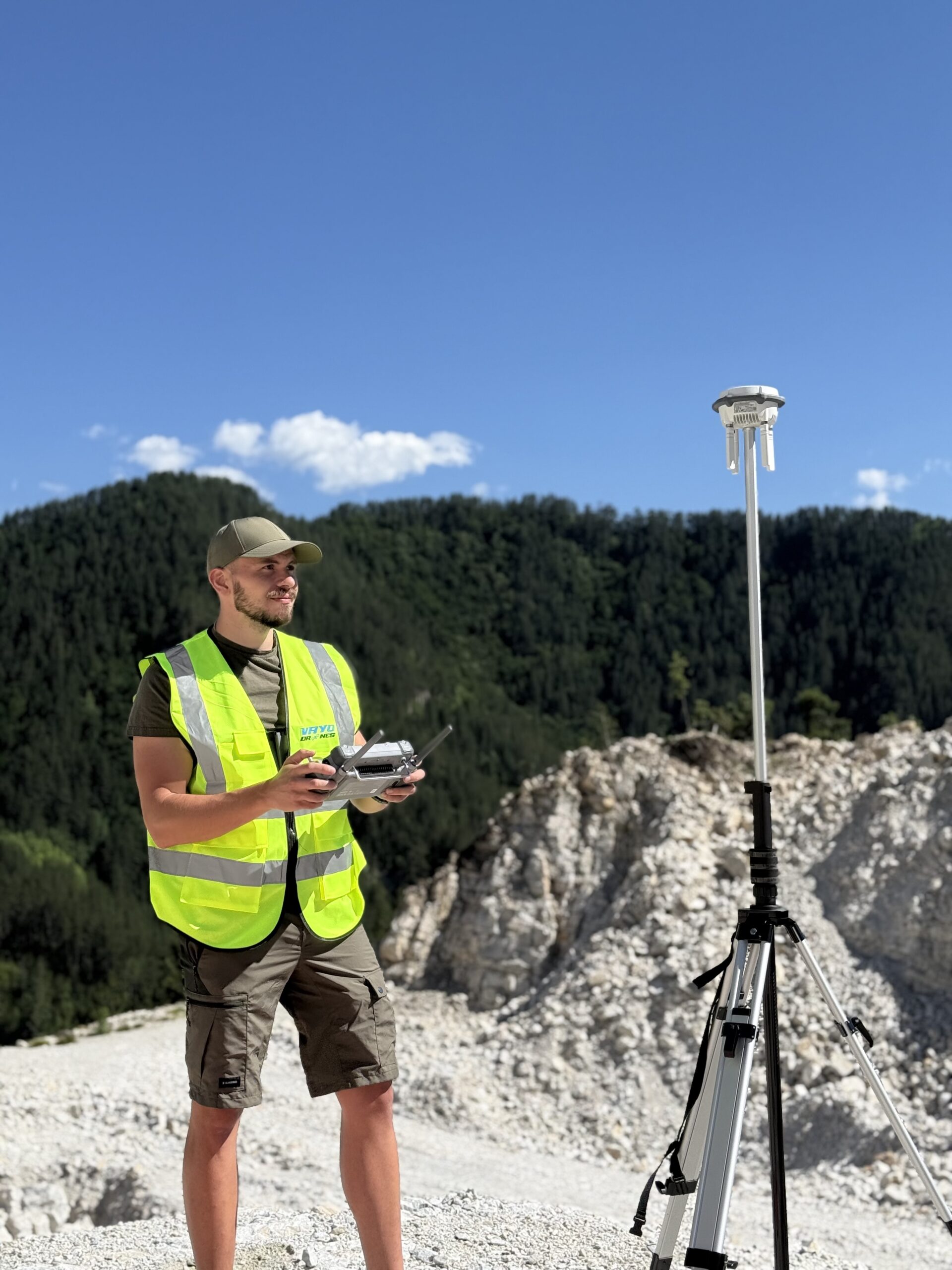
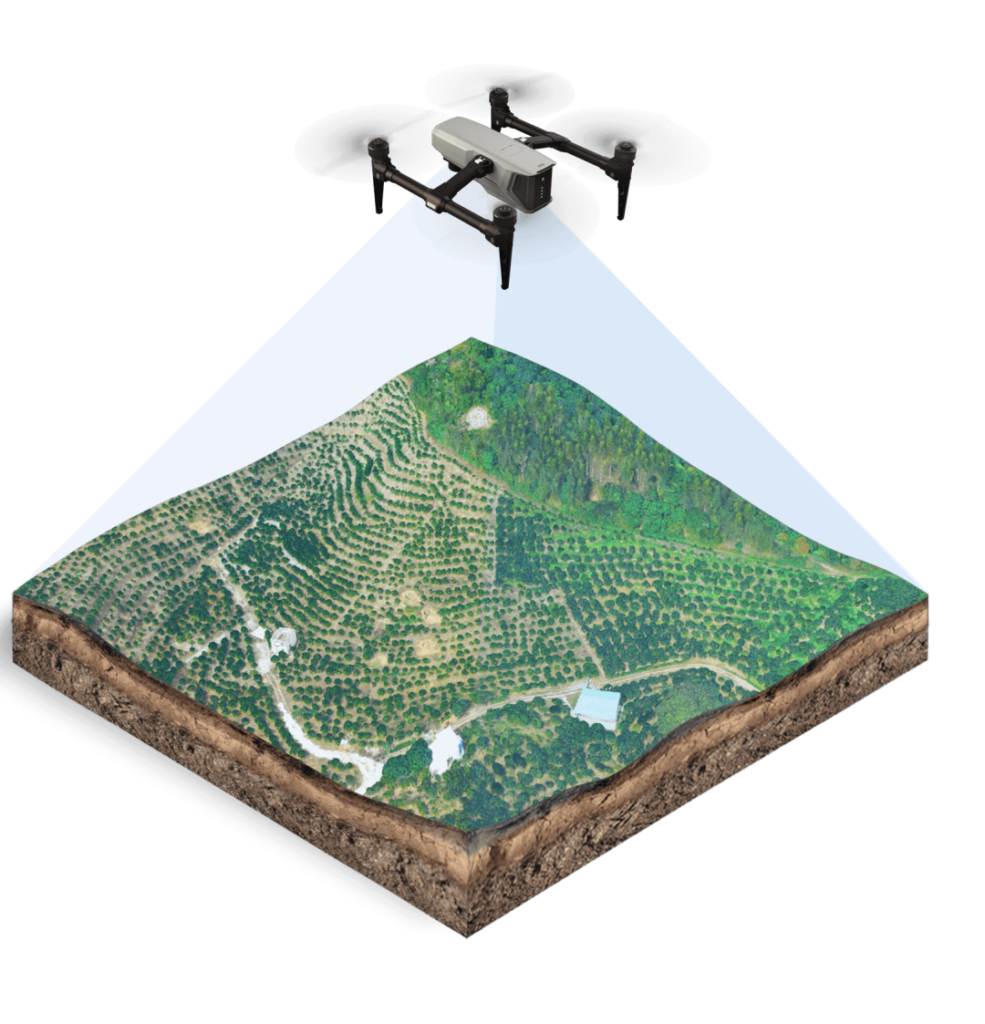
Modern drones, equipped with high-precision cameras and sensors, are turning mapping and geodesy into a fast, effective, and accessible process. Thanks to photogrammetry and lidar technology, they can collect detailed data from the air and transform it into valuable visual and geospatial products such as:
- Accurate 2D and 3D models of terrains, buildings, and infrastructure
- Detailed topographical maps for planning and engineering purposes
- High resolution point clouds, suitable for architectural design, construction, and analyses
With the help of drone solutions, geodesists and engineers have a reliable tool for collecting and analyzing spatial data in real time and with minimal physical effort.
Monitoring of construction sites
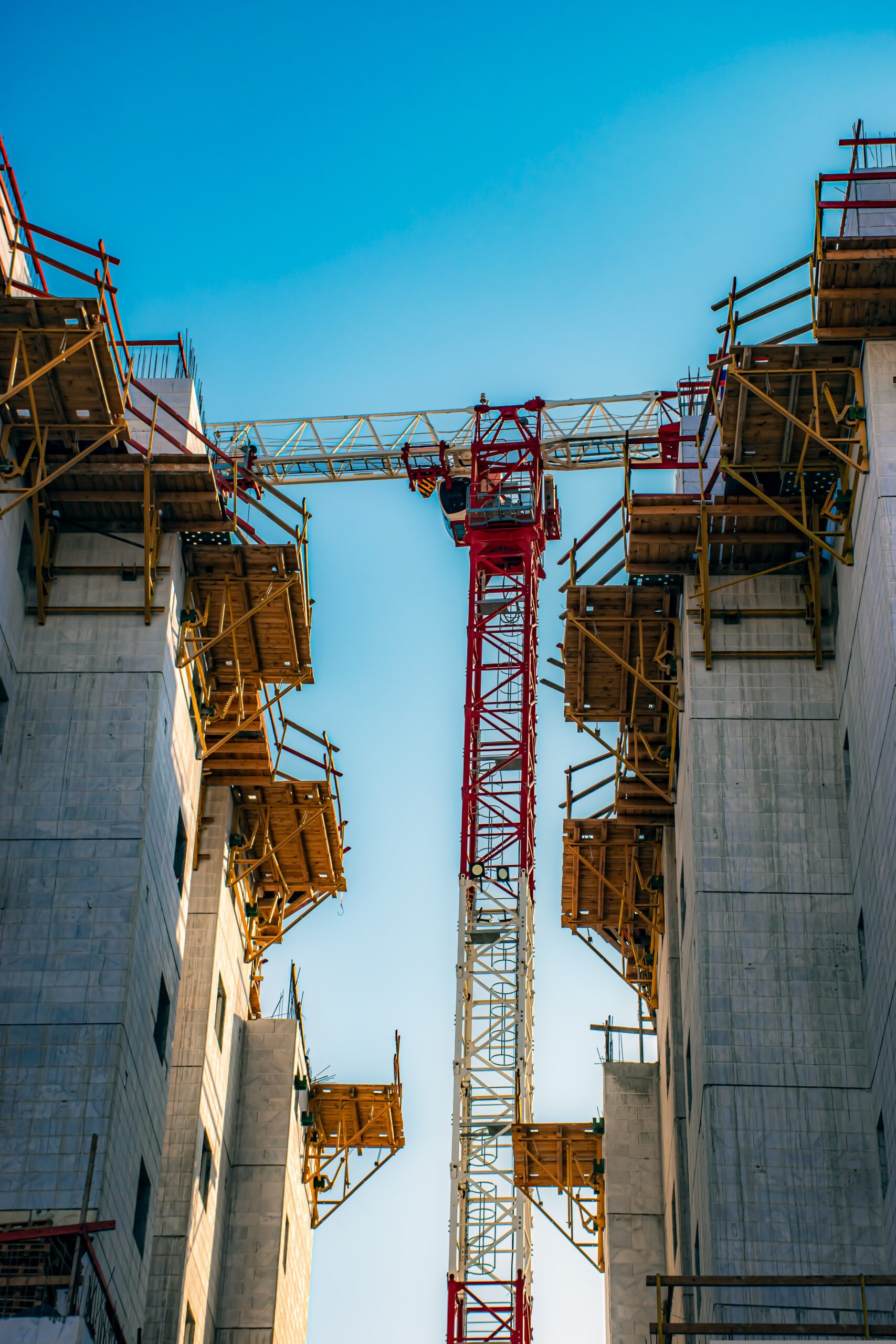
Drones have become an indispensable tool in the management of construction projects. they provide a precise and fast aerial view of the entire site, allowing for:
- Monitoring the progress of construction against the schedule
- Checking for compliance with project and technical documentation
- Detection of problematic or delayed areas in real time
- Creation of aerial footage and models for documentation and comparison
This facilitates coordination among all project participants - investors, engineers, architects, and contractors - through visual reports, analyses, and digital models.
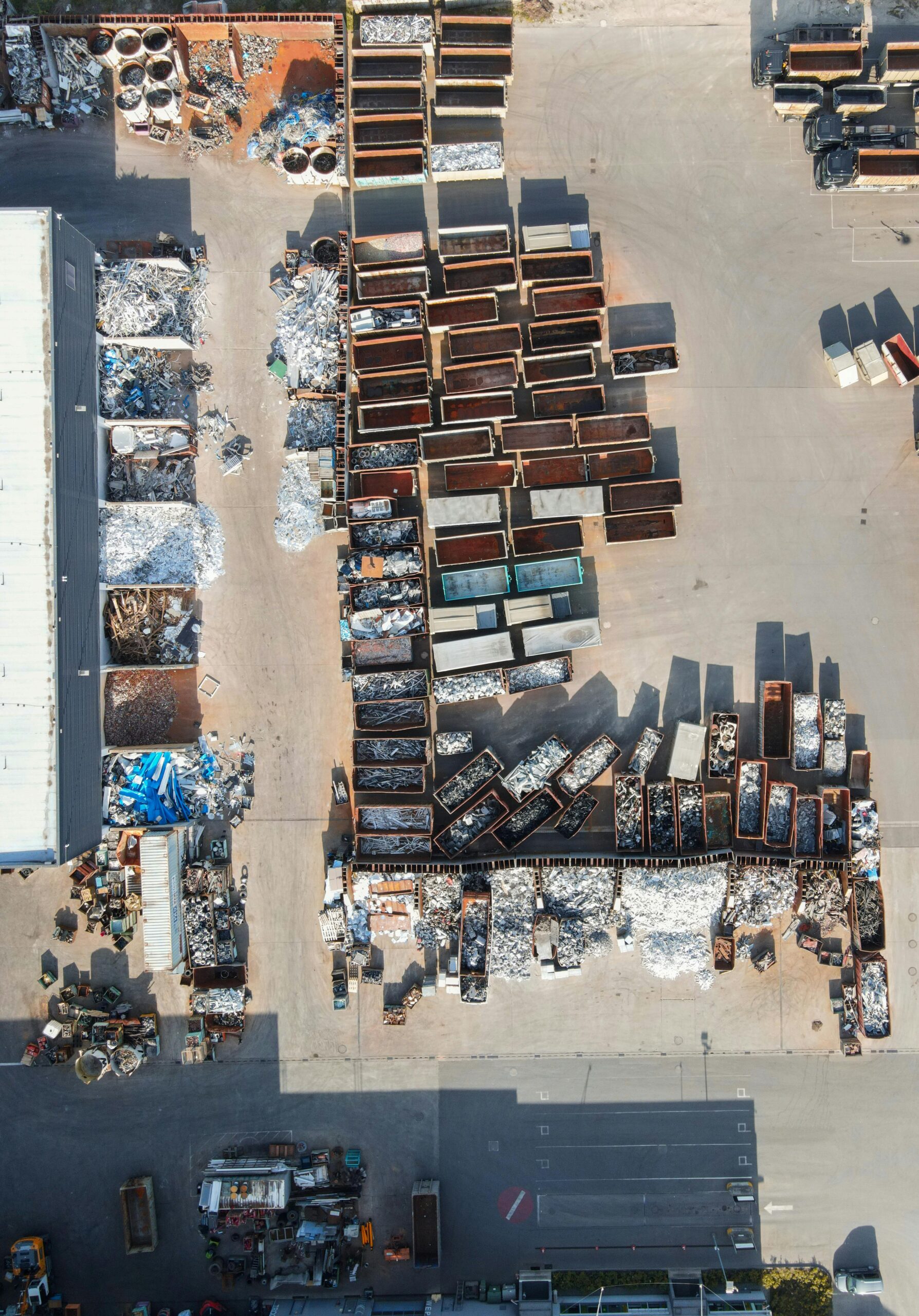
In addition to classic construction, drones are widely used in the mining industry. For excavation and extraction activities, they allow for:
- Accurate measurement of volumes of excavations, embankments, and stored materials
- Monitoring the safety of slopes, roads, and active areas
- Quick localization of potentially risky sections and erosion processes
With drone monitoring, project management has accurate data for informed decision-making.
Environmental monitoring and natural resource management
In the field of environmental protection, drones are establishing themselves as a powerful tool for observation and analysis. They allow for the rapid and precise collection of data from large and difficult to-access territories, which significantly facilitates the management of natural resources. they are used for:
- Observation and mapping of water, soil, and vegetation pollution
- Counting, tracking, and studying the migration of wild anima
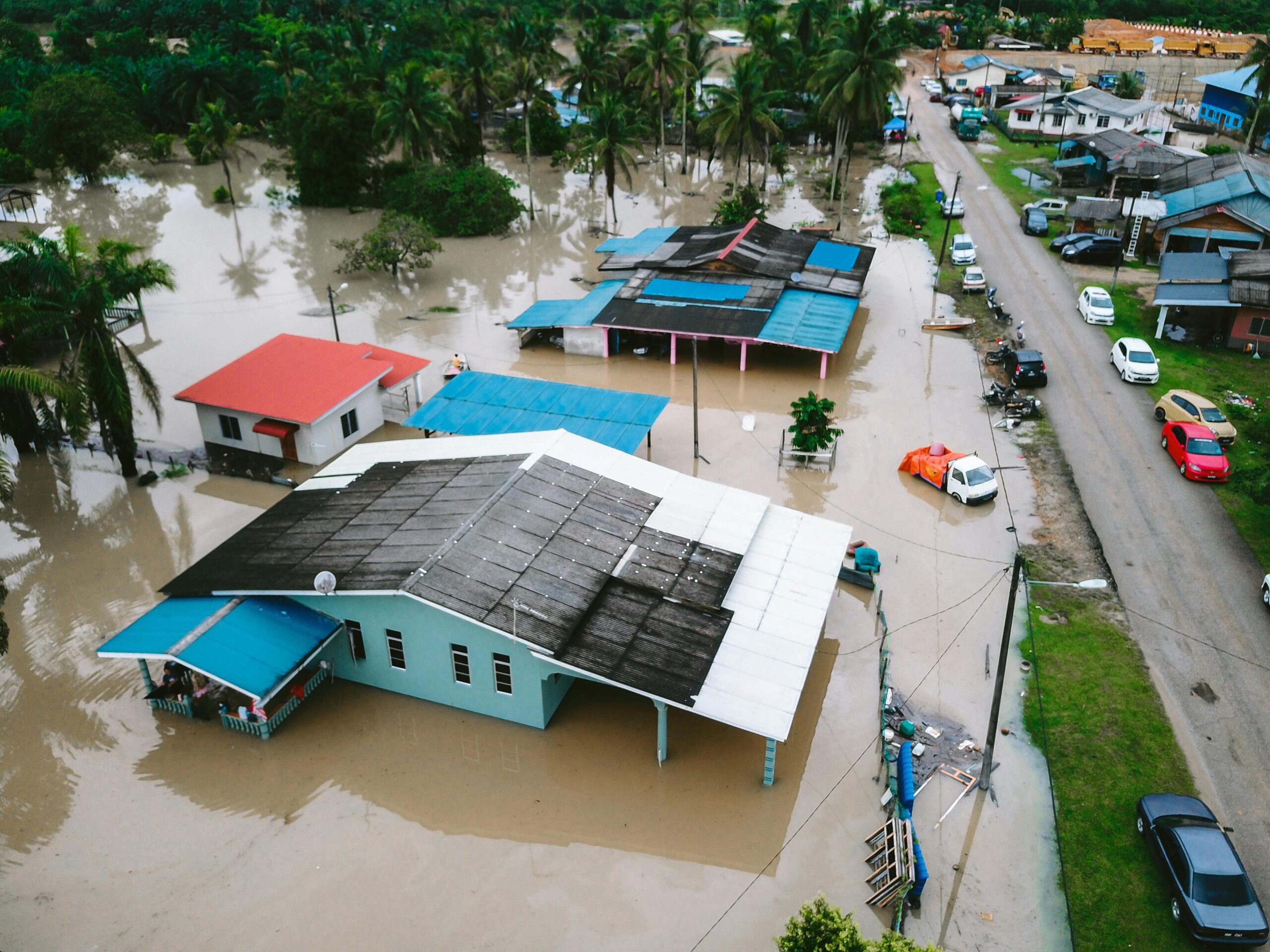
- Assessment of ecological damage after floods, fires, landslides, and other natural disasters
- Monitoring of deforestation, erosion, and changes in vegetation cover
- Tracking the sustainable use of agricultural and forest resources
Drones in emergency and rescue missions
Drones play a crucial role in natural disasters, industrial accidents, and emergency situations. Thanks to their ability for rapid deployment and precise aerial imaging, they assist emergency teams by providing important information in real time. They are used for:
- Locating and tracking missing or stranded people in hard to reach or dangerous areas
- Imaging and assessment of damage to buildings, infrastructure, and terrain for rapid decision making
- Assisting rescue teams by providing thermal images in conditions of low visibility (for example, at night, through smoke, or dust)
- Delivery of medical supplies, water, or other vital materials to remote or blocked areas
- Maintenance of communication links through aerial repeaters in case of failure of ground infrastructure
- Locating and tracking missing or stranded people in hard to reach or dangerous areas
- Imaging and assessment of damage to buildings, infrastructure, and terrain for rapid decision making
- Assisting rescue teams by providing thermal images in conditions of low visibility (for example, at night, through smoke, or dust)
- Delivery of medical supplies, water, or other vital materials to remote or blocked areas
- Maintenance of communication links through aerial repeaters in case of failure of ground infrastructure
Their flexibility, autonomy, and ability to navigate in difficult conditions make them a highly valued tool for coordination, risk assessment, and saving human lives during crises.
What are the advantages of industrial drones?
✅ Time and cost savings - faster data collection and lower operational costs.
✅ Increased safety - elimination of the need to work at height or in dangerous environments.
✅ Precision and data quality - high resolution and accuracy in mapping and analyses.
✅ Minimal environmental impact - drones are lightweight and non-invasive.
Conclusion
Industrial drones are no longer the future - they are the present. companies that integrate drone solutions into their operations gain a competitive advantage by optimizing processes, improving safety, and obtaining precise information in real time.
If you would like to learn more about how industrial drones can improve your business or need professional drone services, contact us!
Hi, this is a comment.
To get started with moderating, editing, and deleting comments, please visit the Comments screen in the dashboard.
Commenter avatars come from Gravatar.