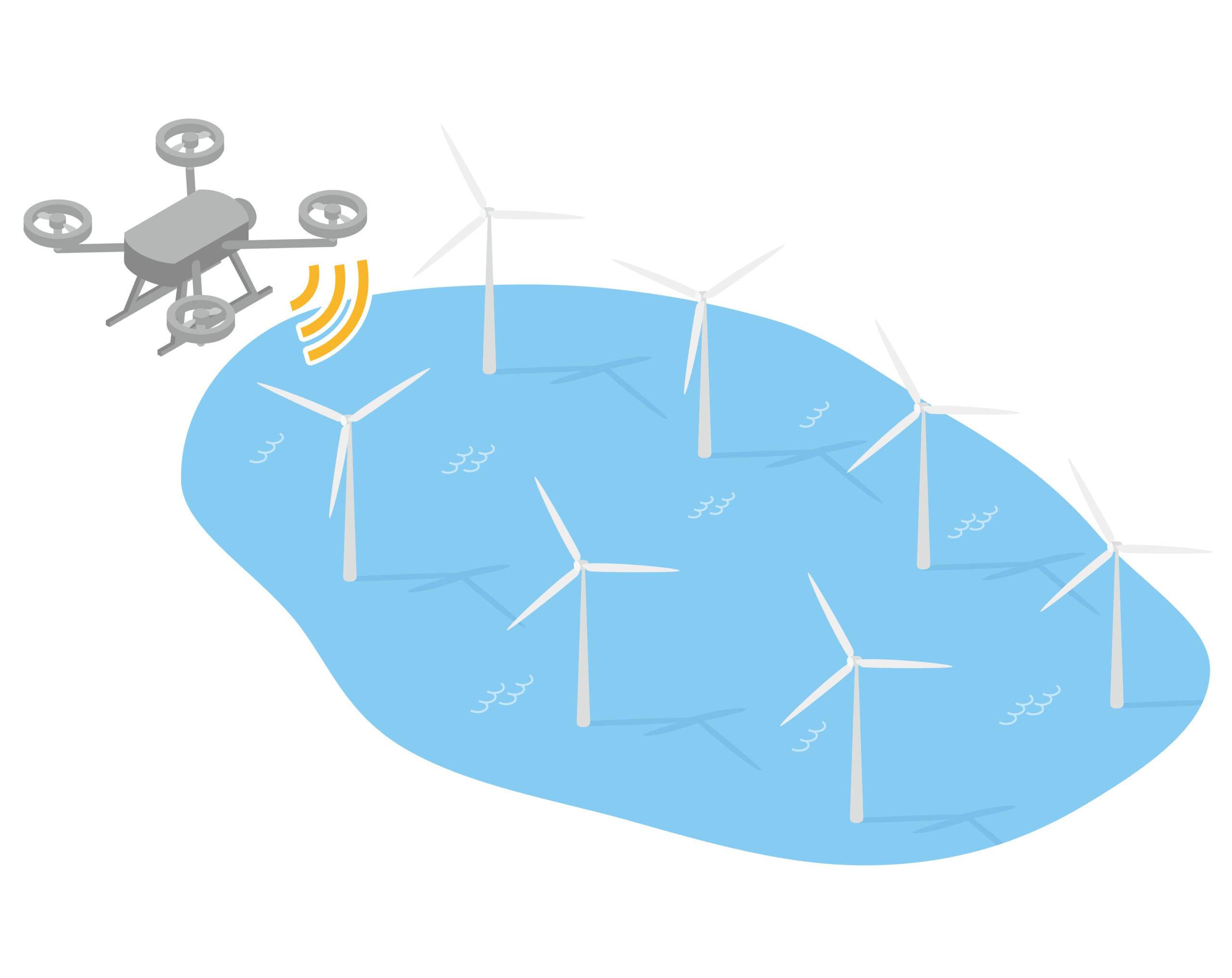


Wind turbine inspection
Drone inspection offers a safe, effective, and economical way to diagnose the condition of rotors, blades, generators, and other components.
This ensures early detection of defects and increases the operational life of the wind turbines.
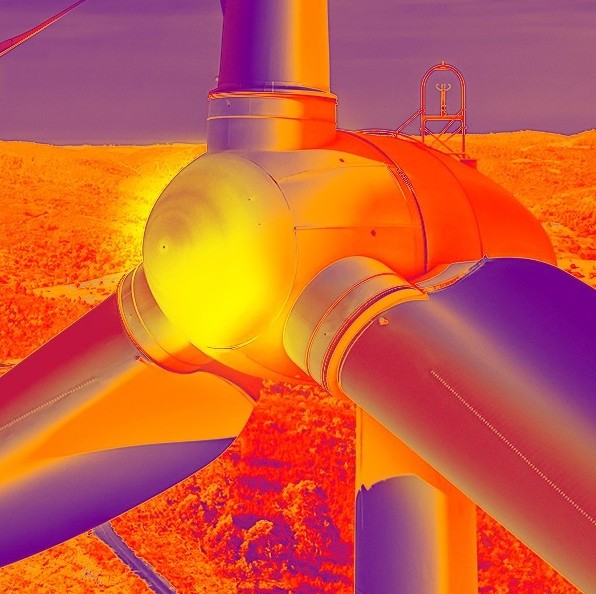
Thermographic inspection
Drone inspection of wind turbines is a key method for detecting thermal and structural defects that can lead to loss of efficiency or costly damage. using infrared cameras, drones detect temperature anomalies and mechanical irregularities that are invisible to the human eye.
Timely diagnosis
We detect overheating of electrical components, cooling defects, and mechanical failures before they cause serious damage or downtime.
Safety and efficiency
The process is completely remote, requiring no human intervention on the turbines, which guarantees safety and allows for quick scanning of hard to reach areas.
Visual inspection
Visual inspection with drones provides a detailed review of the physical condition of the wind turbines. From the blades and rotor to the foundation structure. high-resolution cameras detect cracks, wear, corrosion, and other visible damage.
Precise evaluation
We check the condition of fasteners, connections, and protective coatings, providing a clear overview of the need for repair or maintenance.
Planning and reliability
Early detection of defects allows for timely maintenance planning and minimizes the risk of unexpected breakdowns and downtime.
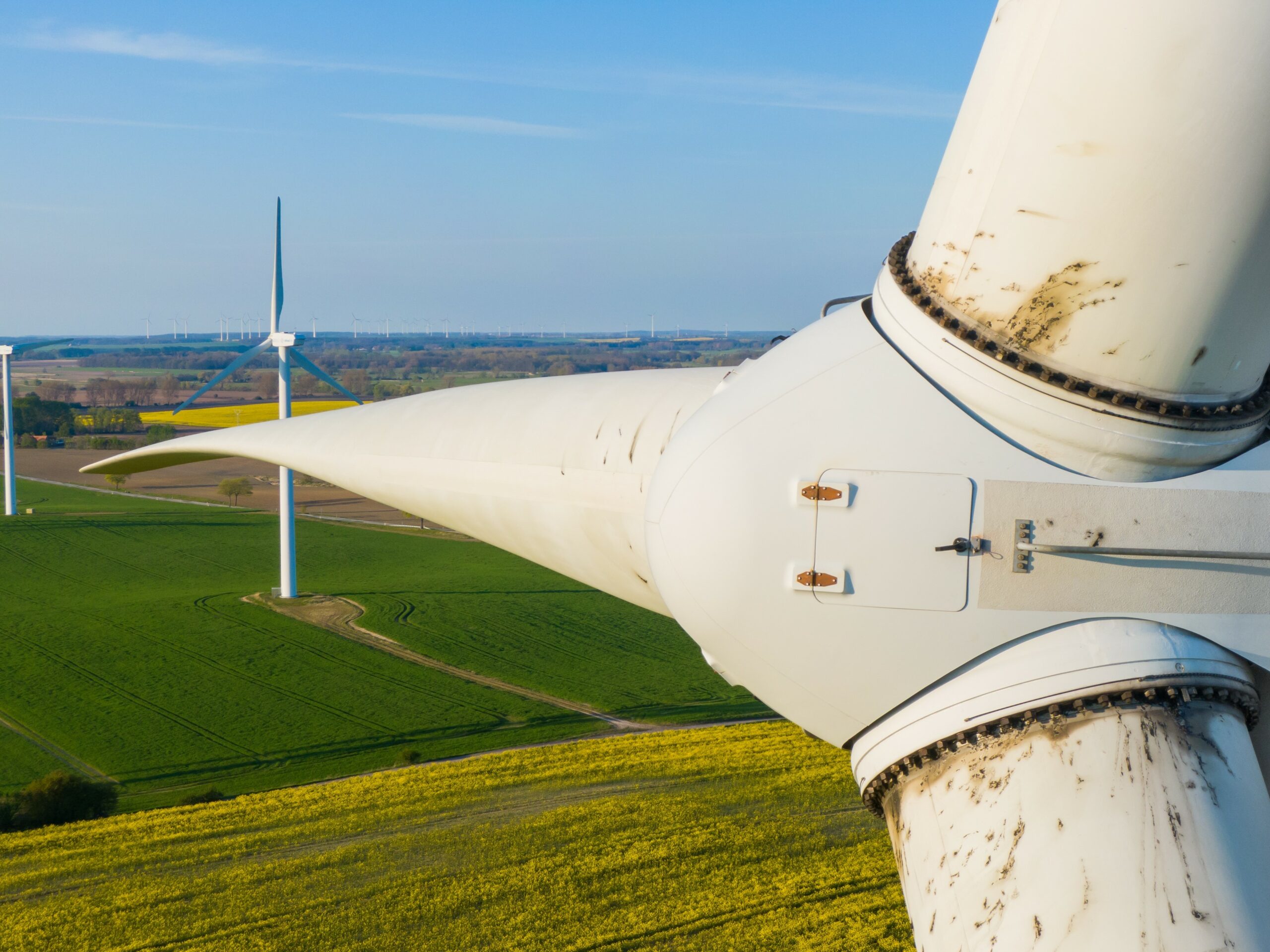
Potential issues discovered during inspections

Thermal inspection of wind power plants
Overheating of electrical components
Low cooling efficiency
Uneven heating of the blades
Thermal anomalies in connecting parts
Overheating of transformers
Malfunction of control and protection systems

Visual inspection of wind power plants
Cracks in the blades
Corrosion of metal components
Damage to the laminated material of the blades
Wear of fastening elements
Soiling on the blades
Problems with hydraulic systems
Advantages of drone technologies for inspection

Safety
Low costs
Speed and efficiency
Access to hard to reach places
High precision and data quality
Less downtime