

Power lines
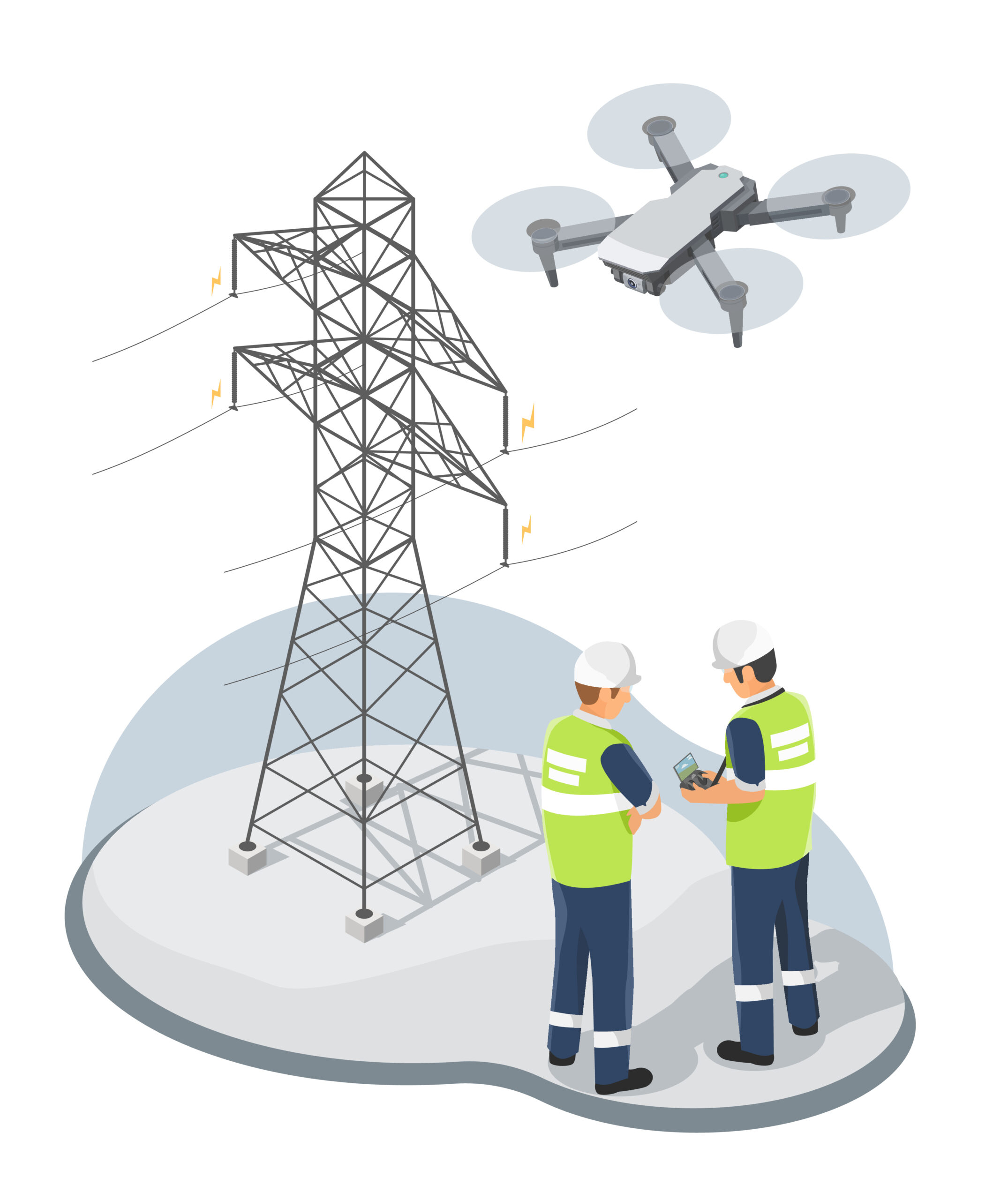
Drone inspection of power lines is an innovative solution for quickly and safely assessing the
condition of the electricity transmission network. This approach saves time, minimizes risks
for personnel, and provides comprehensive data for maintenance and repair.
Thermographic inspection
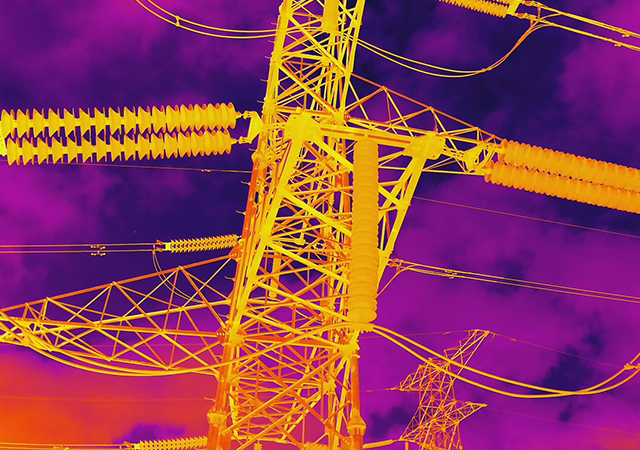
Thermal inspection of power lines using drones is an effective method for detecting potential problems such as overheating and failures. Infrared cameras identify thermal anomalies, allowing for quick and informed decisions for the safe and efficient operation of the network.
Locating problematic zones
With the help of drones, we detect overheated areas, faulty insulators, and defective connections. Early detection prevents costly failures.
From data collection to analysis
We carry out flights over the facility, collect infrared data, and create thermal maps. These maps show temperature anomalies and assist in planning the maintenance and repair of the power lines.
Visual inspection
This type of inspection complements the thermal analysis, providing a detailed overview of the facility through the use of high-resolution cameras and sensors.
Detection of visible issues
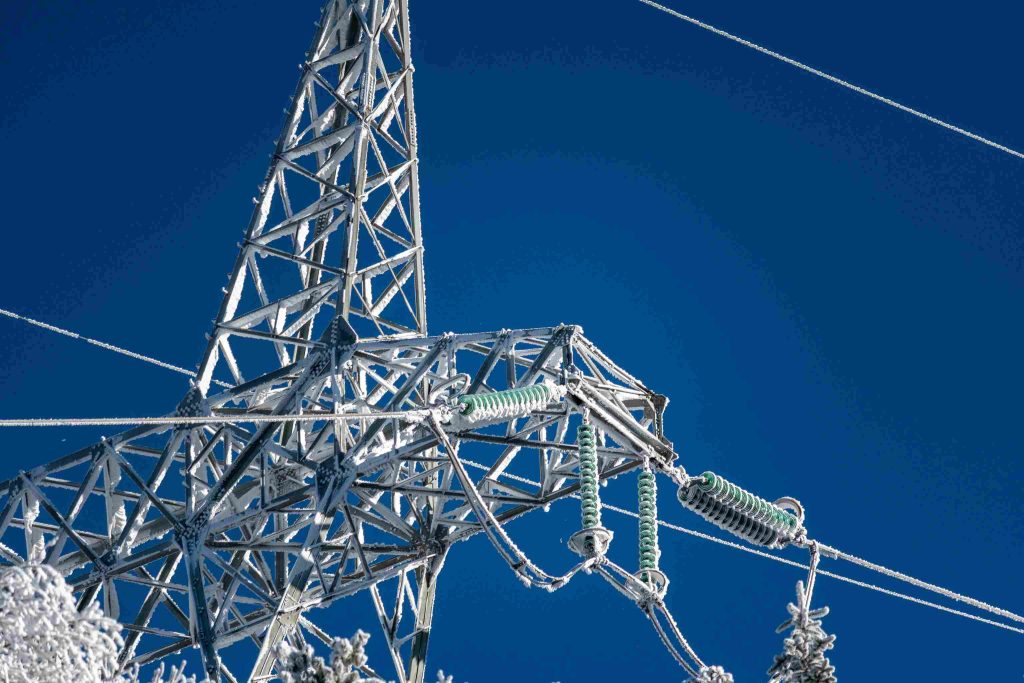
Drones capture detailed images of cables, insulators, poles, and other components to identify corrosion, mechanical damage, wear, loose fasteners, or other defects.
Maintenance and long-term sustainability
The collected information assists in planning repairs and maintenance, minimizing the risk of incidents and ensuring the safe operation of the infrastructure.
Potential issues discovered during inspections

Thermal inspection
Overheating of conductors
Defective insulators
Broken or weak connections
Overheating of transformers
Temperature imbalances in current-carrying lines

Visual inspection
Corrosion of metal components
Cracked or broken insulators
Sagging conductors
Mechanical damage to poles
Contamination
Advantages of drone technologies for inspection

Safety
Low costs
Speed and efficiency
No disruption to service
High precision and data quality